Equine Health Week 2026
Equine Health Week returns for 2026! The fourth iteration of our annual campaign, run in partnership with Agria, focuses on some of the essential equine health topics that everyone involved with horses needs to know about.
A packed seven-day programme will consist of podcast episodes and explainer videos with leading experts, social media infographics and top tips, and signposting to external resources. You can follow along on our social media channels and we'll collate everything shared across the week on this page, so keep checking back to ensure you don't miss a thing.
Equine Health Week is aimed at everyone who interacts with horses – from people who ride occasionally at a centre, to those who have their own horses or are responsible for a yard.
What's coming up
| Day | Topic | Experts |
|---|---|---|
| Monday | Signs of health | The team from Hook Norton Equine Vets |
| Tuesday | Equine first aid | Vet Sam Cutts from Hook Norton Equine Vets |
| Wednesday | Vaccinations and biosecurity | Vets Hattie Bell and Tegan McGilvray from Equine Infectious Disease Surveillance |
| Thursday | Lameness diagnosis | World Class Programme vet Robert Oulton |
| Friday | Colic and feeding for a health digestive system | Professor Sarah Freeman from the University of Nottingham, and equine nutritionists Dr. Marga Mas from Dodson & Horrell and Kate Hore from NAF |
| Saturday | Equine gastric ulcer syndrome (EGUS) | Vet and leading EGUS researcher and consultant Ben Sykes |
| Sunday | The other 23 hours | Roly Owers and Janet Douglas from World Horse Welfare |
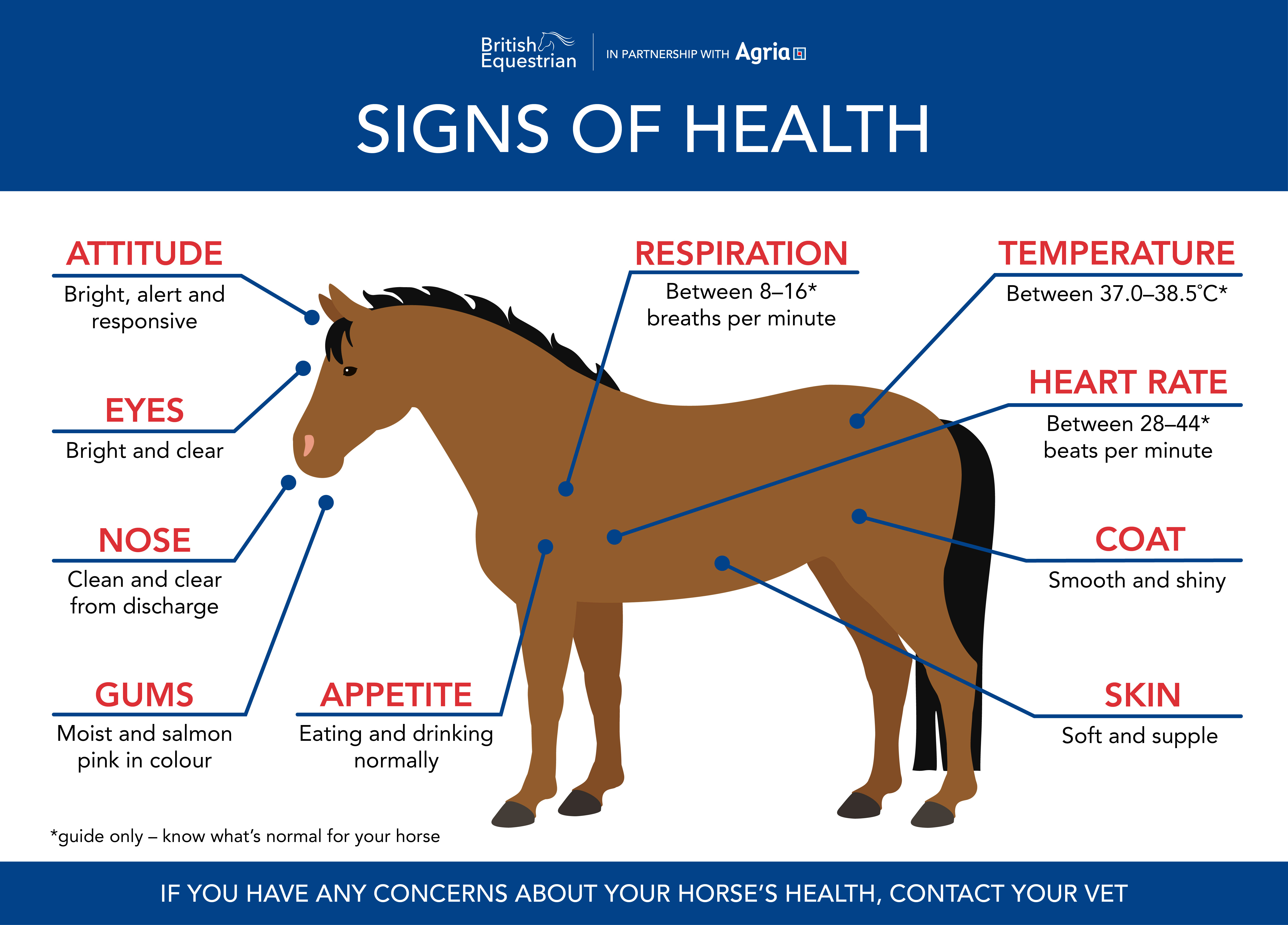
Day one: Signs of health
Signs of health video
How to take your horse's temperature
How to check respiratory and heart rate
Signs of health graphic
Day two: Equine first aid
Daily podcast
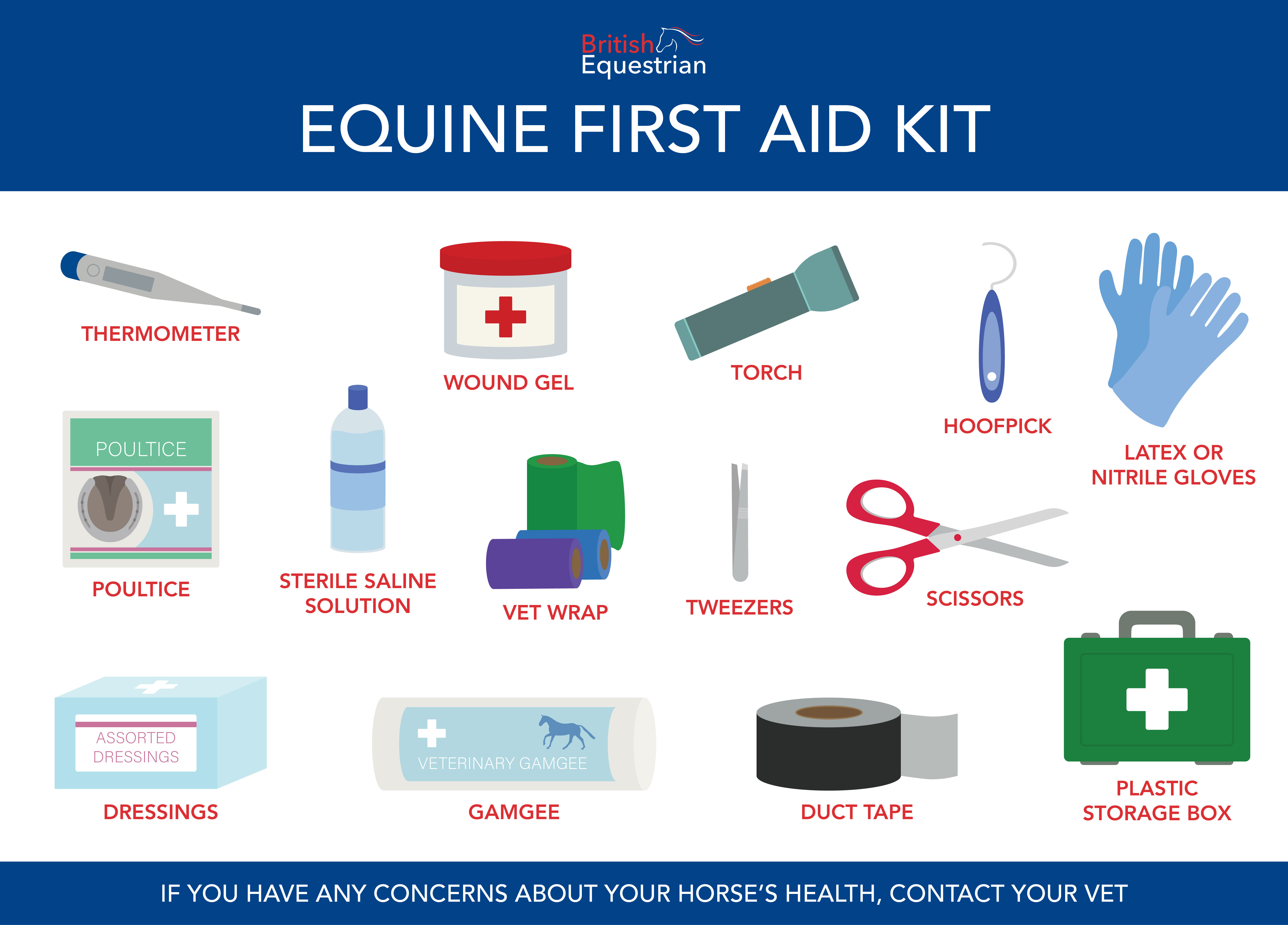
Sam Cutts from Hook Norton Equine Vets shares some of the basic first aid knowledge that all horse owners and carers should have in their arsenal, what items to keep in your first aid kit and, perhaps most importantly, how to tell when it’s time to call the vet.
Items in an equine first aid kit
Puncture wounds in the foot
How to poultice a foot
How to bandage a leg
Day three: Vaccinations and biosecurity
Daily podcast
Vets Hattie Bell and Tegan McGilvray from Equine Infectious Disease Surveillance join us to discuss the important role that vaccines play in protecting our horses.
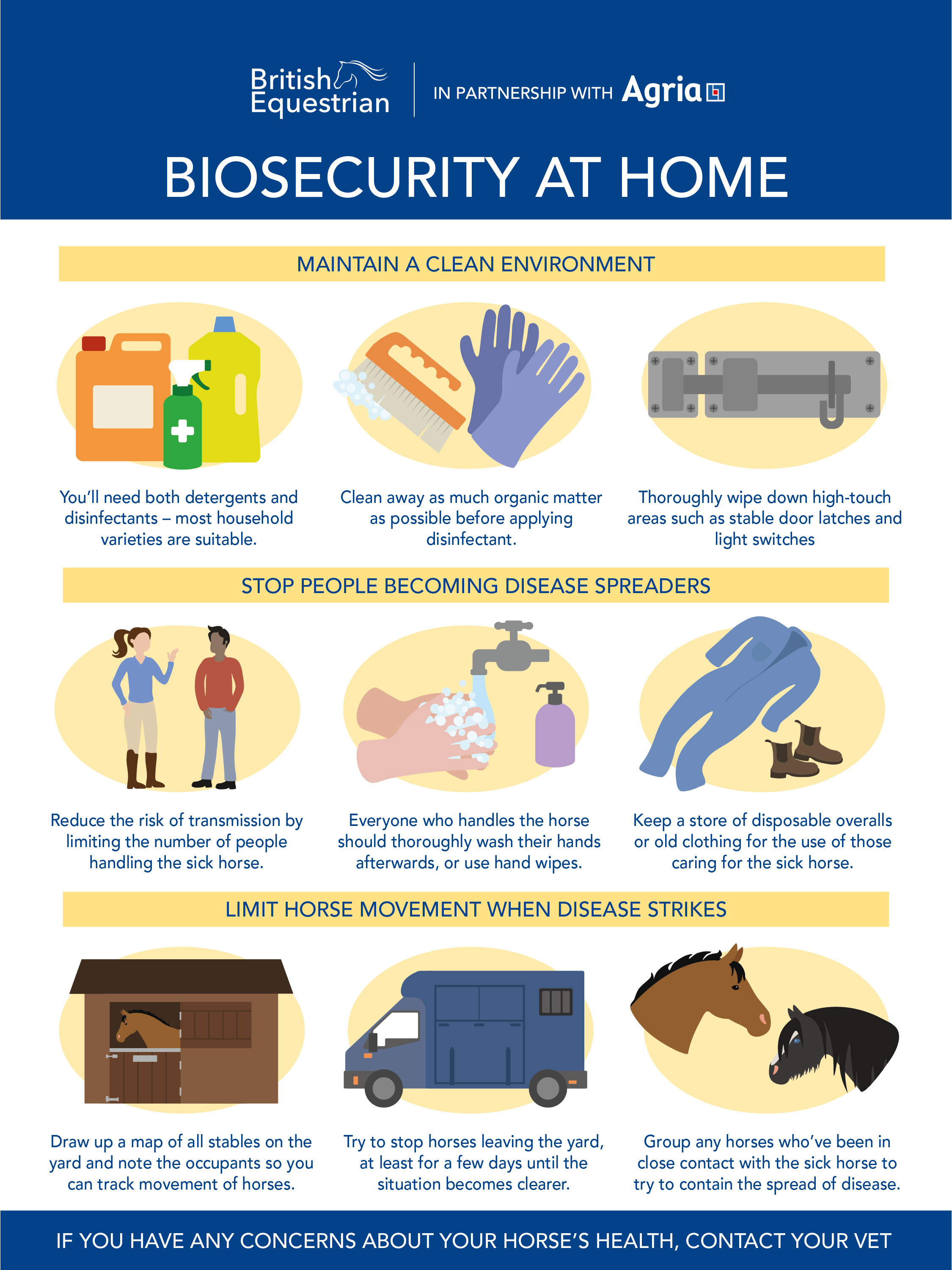
Biosecurity at home
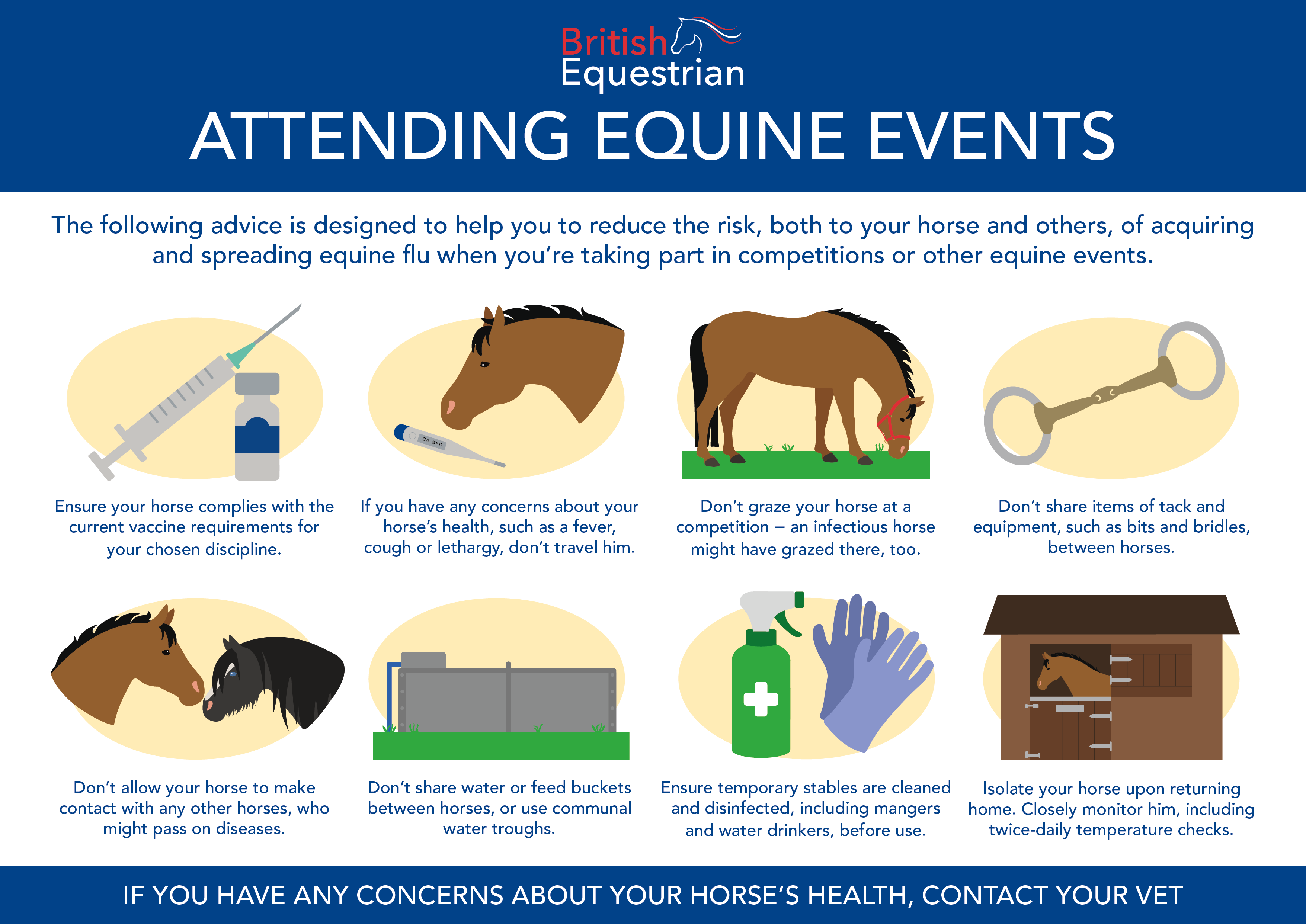
Attending equine events
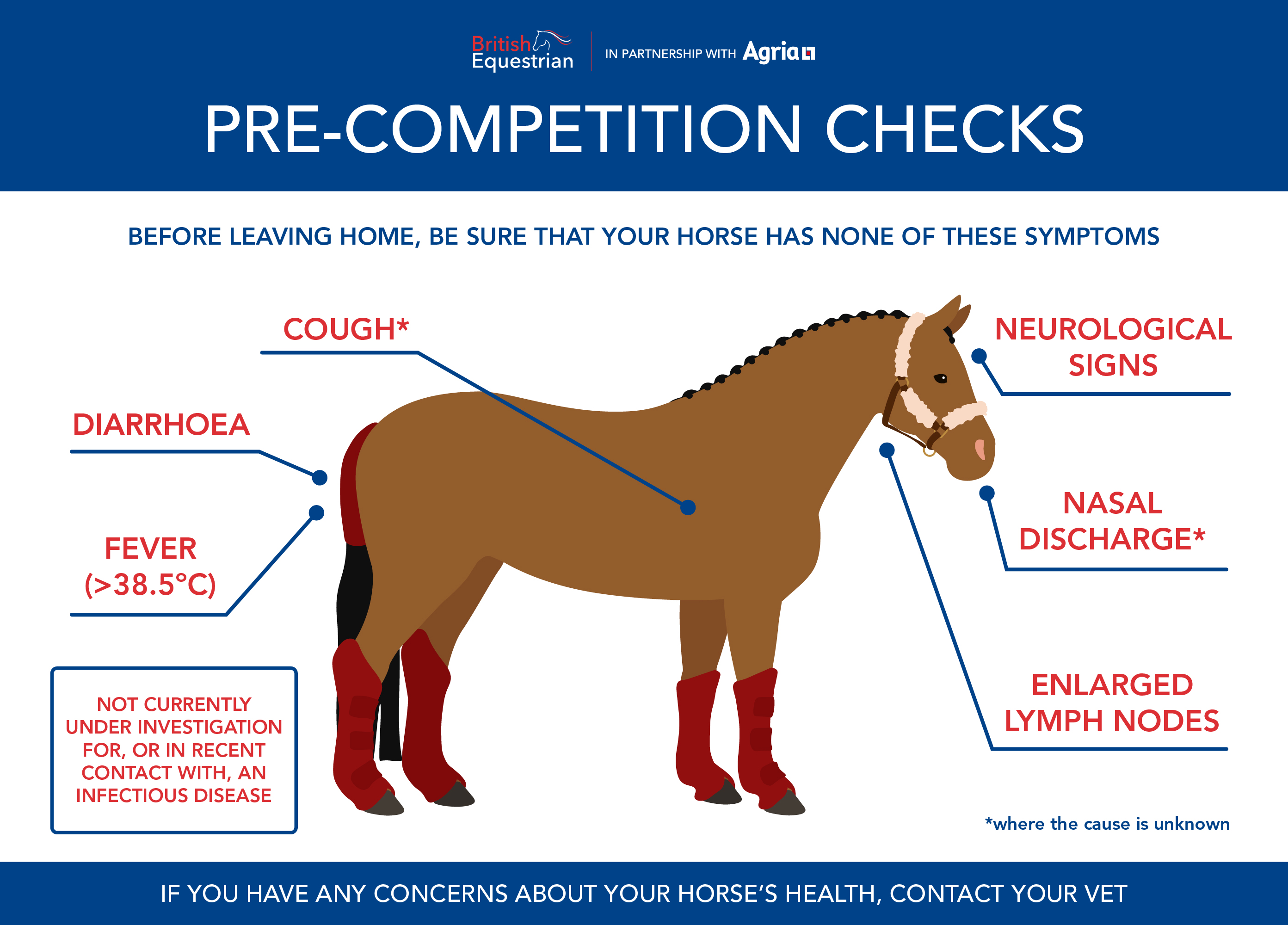
Pre-competition health checks
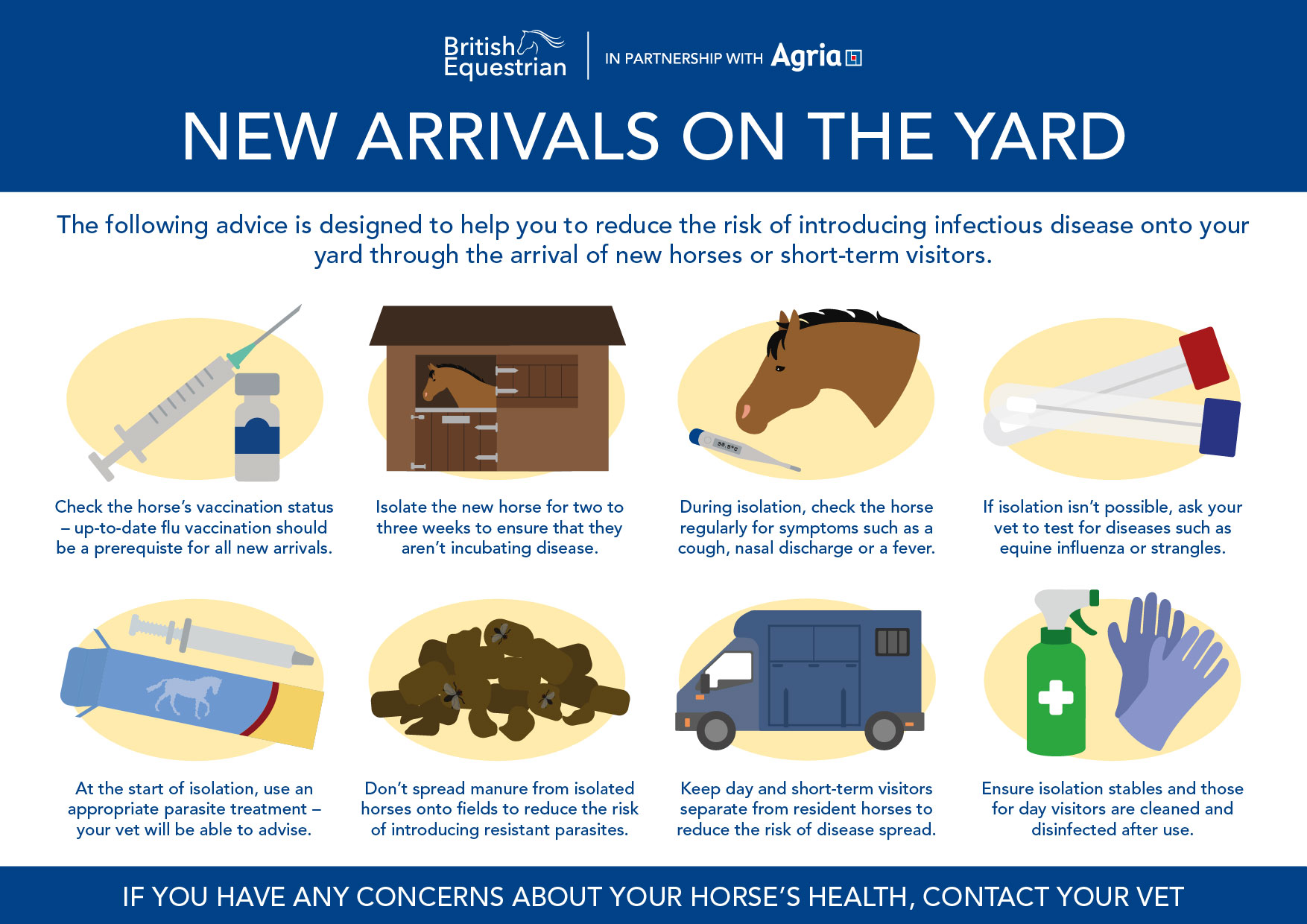
New arrivals on the yard
Day four: Lameness diagnosis
Daily podcast
Vet Rob Oulton from the World Class Programme and Scott Dunn's Equine Clinic explains the process and tests a vet will go through to reach a lameness diagnosis.
World Horse welfare's annual health plan template
World Horse Welfare has a fantastic template to help you create a bespoke annual health plan for your horse. It covers all aspects of routine health care, including signs of health, vaccination appointments, weight monitoring, parasite control and practitioner visits. Access it here.
How to trot up a horse for the vet
Day five: Colic and feeding for a healthy digestive system
Daily podcast
Professor Sarah Freeman from University of Nottingham and Nottingham Equine Research shares how to spot the early signs of colic so you can act quickly, plus how you can manage the risk factors associated with colic to reduce the likelihood of it happening in the first place.
REACT resources
Colic risk calculator
In this morning's podcast, Professor Sarah Freeman referred to a personalised colic risk calculator developed by The University of Guelph. You can use it to input information about your horse's management routine to be provided with a 'snapshot' in time of their risk of colic. You can find it here.
Emergency care plan template
Having an emergency care plan in place can be vital if your horse has colic and potentially needs surgery to survive. Making decisions about your horse's care while you're able to take your time and think logically, rather than in a crisis situation, will give you the peace of mind that you've made the right decision for your individual horse. The British Horse Society has a emergency decision-making template to help you consider your options and create a plan in advance of something going wrong.
Day six: Equine gastric ulcer syndrome (EGUS)
Daily podcast
Equine gastric ulcer syndrome is believed to affect as many as one in three horses in the UK. Leading consultant and researcher Ben Sykes shares how, as our understanding of the condition and how it affects our horses improves, so too does how effectively we’re able to treat and manage it.
Potential causes and symptoms of EGUS
Diagnosis and treatment of EGUS
Nutrition advice to prevent or manage egus
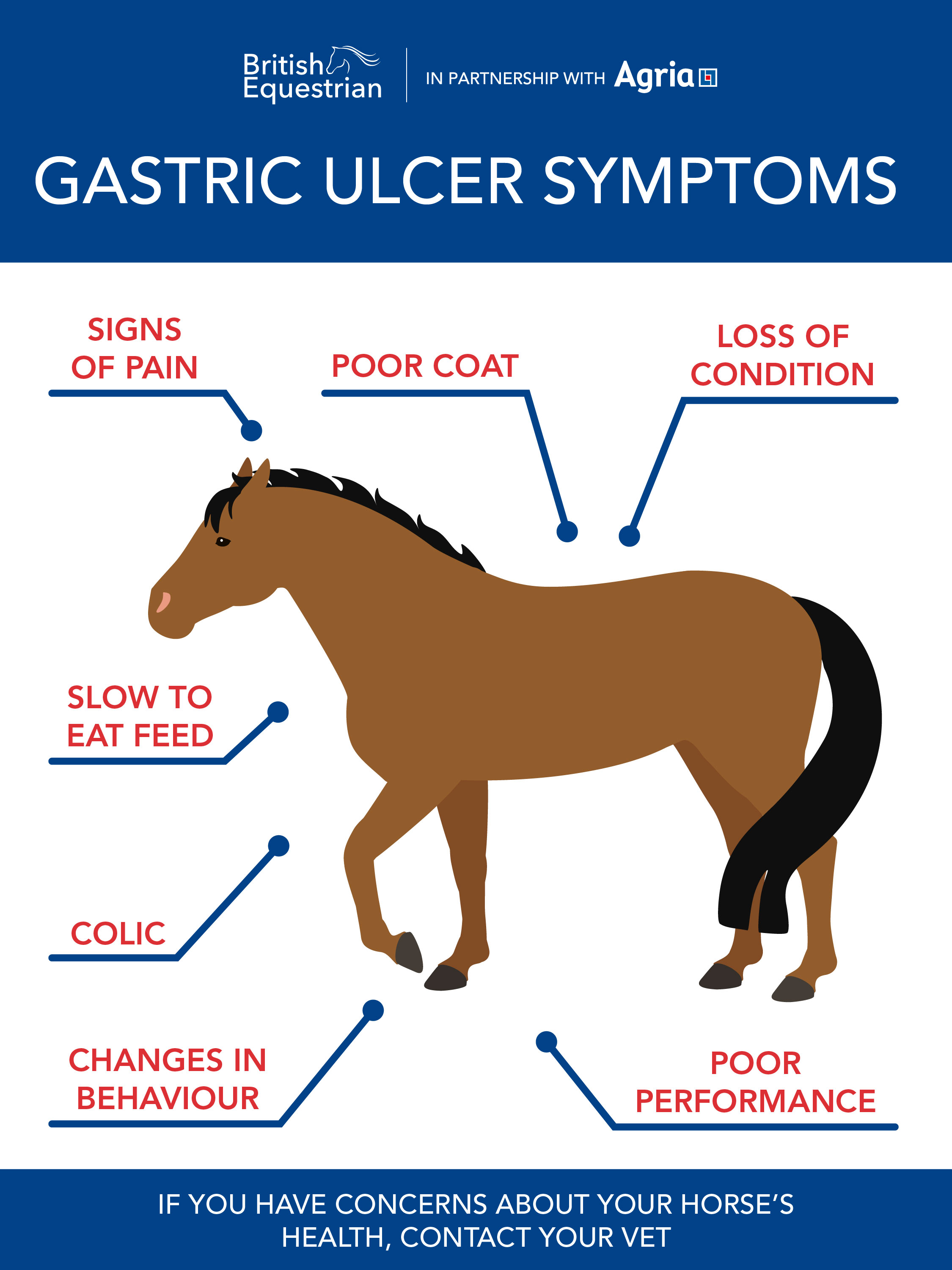
Common symptoms of EGUS
Educational videos
This series of videos was produced by today's podcast expert, Ben Sykes, in collaboration with TheHorse.com, and were referred to during the episode.
- Understanding squamous vs glandular ulcers in horses
- When we can't cure equine gastric ulcers
- Signs of gastric discomfort in horses
- Preventing squamous disease in horses
- Preventing glandular gastric disease in horses
- Treatment approaches for equine gastric disease
Day seven: The other 23 hours
Daily podcast
Roly Owers and Janet Douglas from World Horse Welfare explain the concept of 'the other 23 hours' and how getting this right can provide a stable foundation for everything we do with our horses.
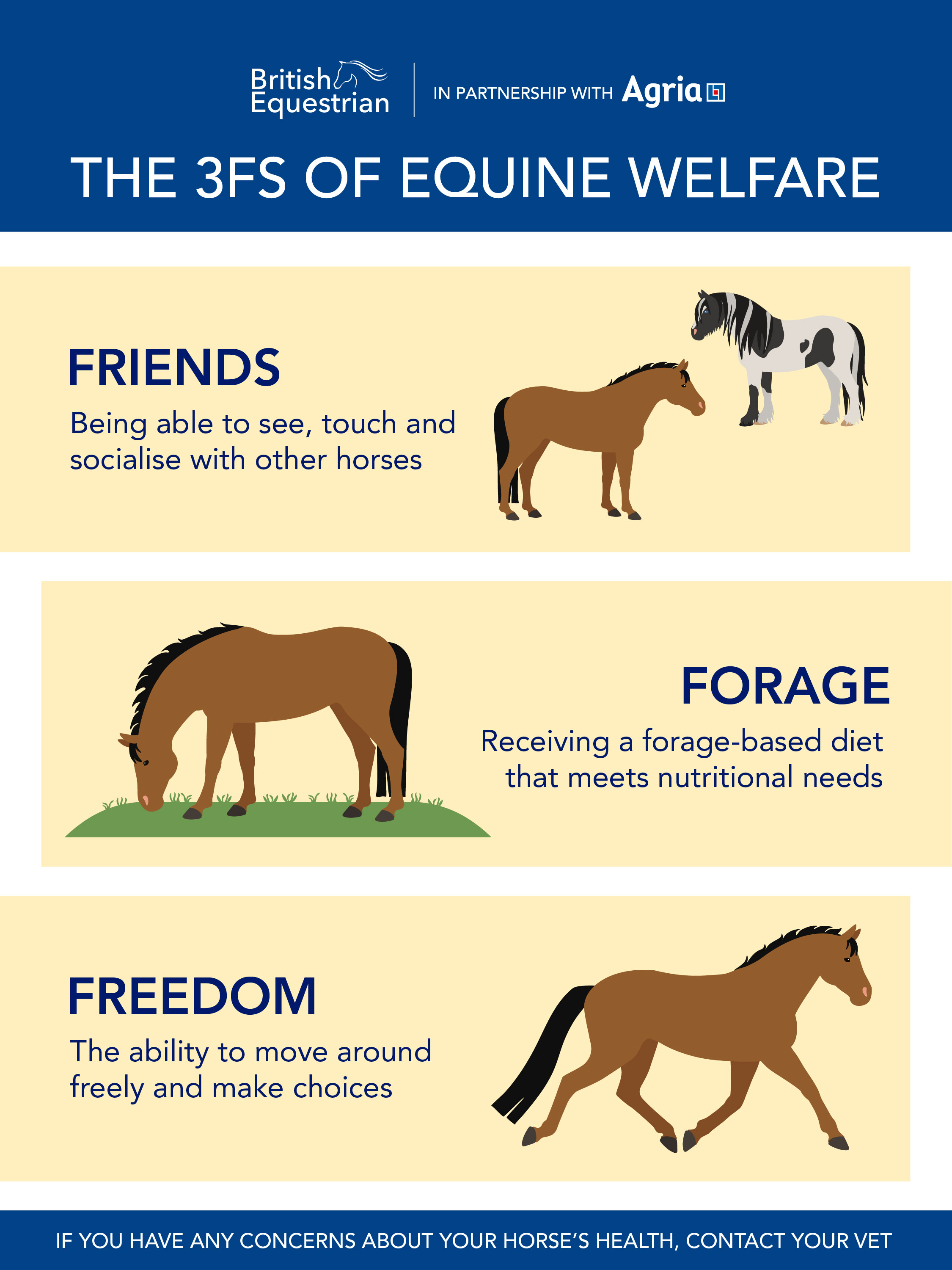
The 3Fs
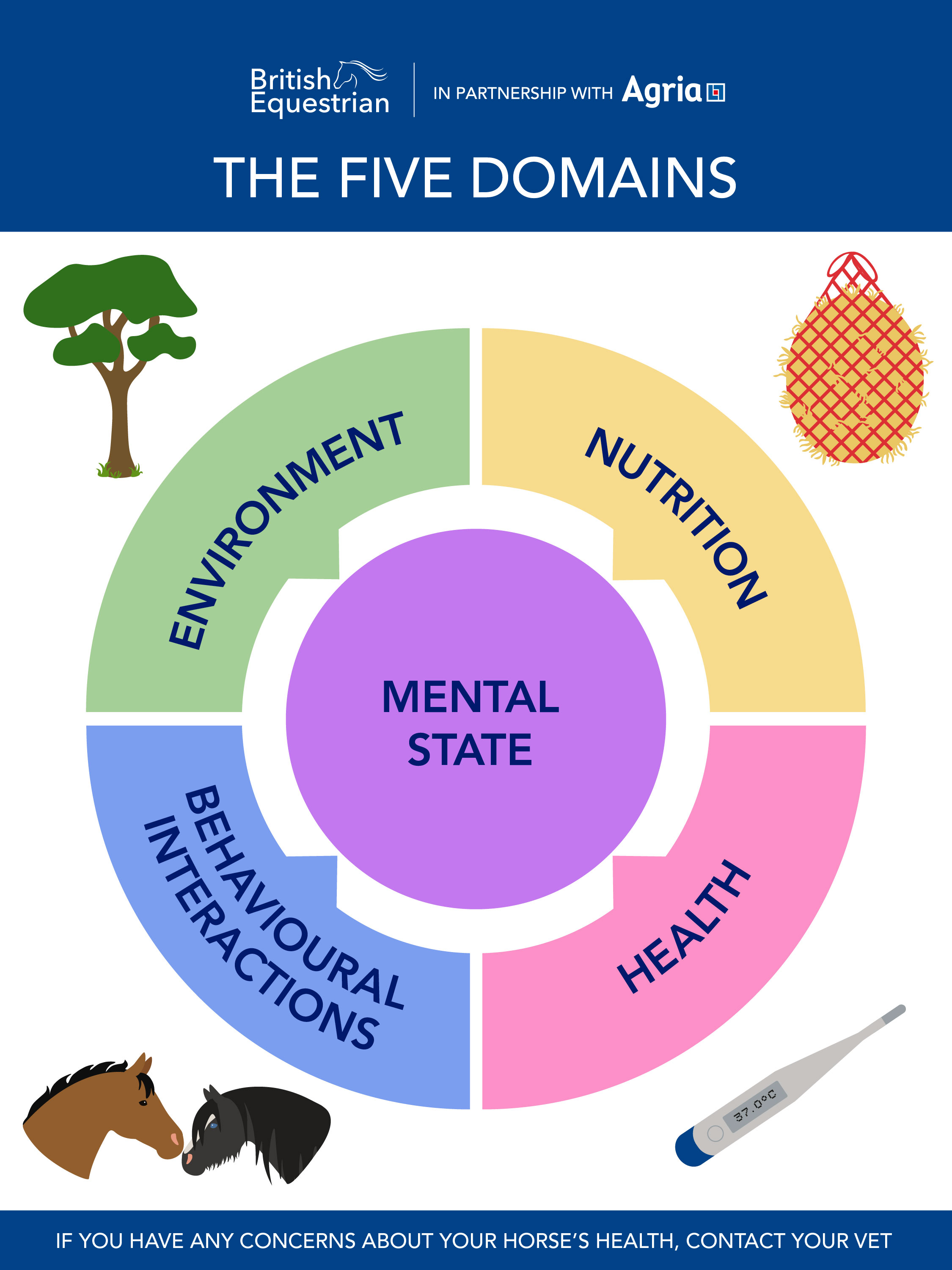
The Five Domains Model
World Horse Welfare's resources
The Five Domains Model and info sheet
The 3Fs explained
Joe Stockdale on how he manage the welfare of his horses