Para equestrian disciplines
There are many options for disabled people to get involved and excel within the equestrian community.
Whether for therapy, enjoying time outdoors or developing new skills – horses offer a welcoming space for everyone.
Riding for the Disabled Association (RDA)
RDA is the UK’s leading organisation providing equestrian opportunities for disabled people. As the first port of call for anyone with a disability seeking to get involved with horses, they provide opportunities for children and adults through riding, carriage driving and a range of equine‑assisted activities.
With over 450 groups nationwide, run by thousands of volunteers, qualified coaches and dedicated horses and ponies, RDA helps participants improve mobility, confidence, physical health and mental wellbeing.
Welcoming people of all ages and abilities, including those with physical and learning disabilities, sensory impairments, long-term health conditions and neurodiversity, RDA plays an essential role in making equestrianism accessible across the UK.
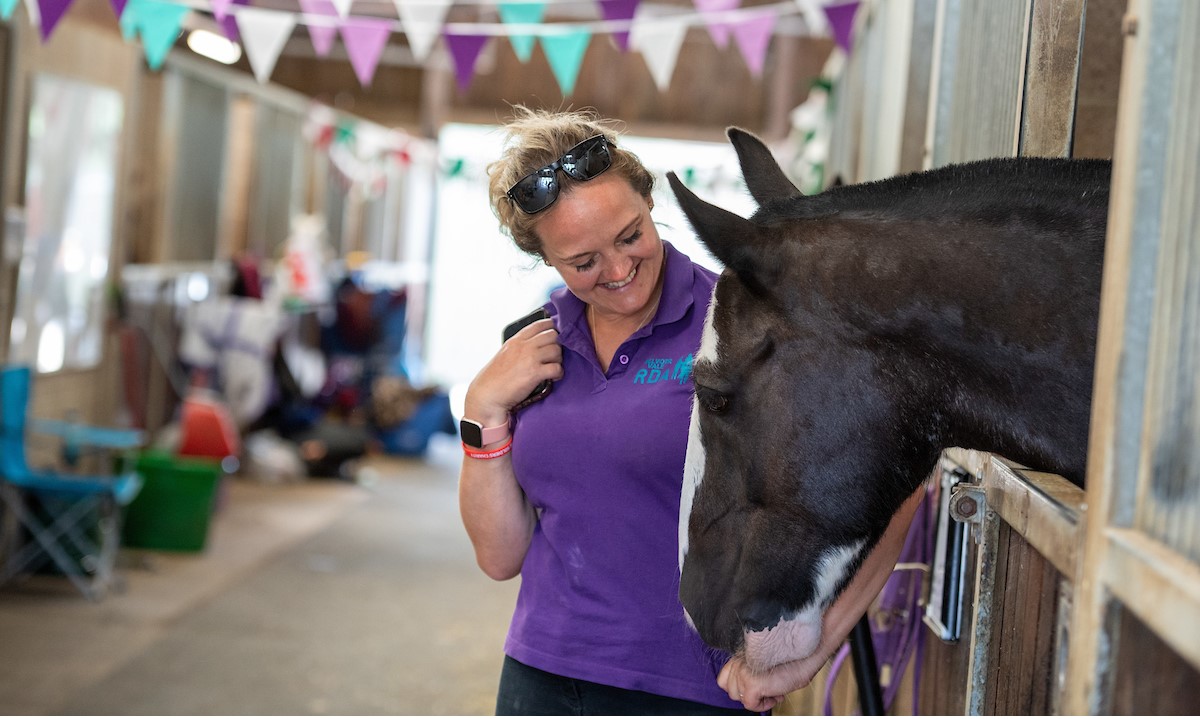
Find out more and get started.
Para driving
RDA has offered carriage driving as an activity since 1975 and it is available to all RDA members. There are now almost 80 groups involved, giving opportunities to over 1,000 drivers. RDA volunteers sit alongside the driver to offer assistance and tuition as and when it's required.
British Carriagedriving also offers affiliated competitions, from grassroots up to championship level, with the World Driving Championships as the pinnacle of the sport. Drivers with disabilities can compete in horse driving trials and at the annual National Championships.
Carriage driving offers many of the same benefits as riding...
- Improved co-ordination
- Improved muscle power
- Improved balance
- Relaxation through rhythmic movement
- Being out in the open air
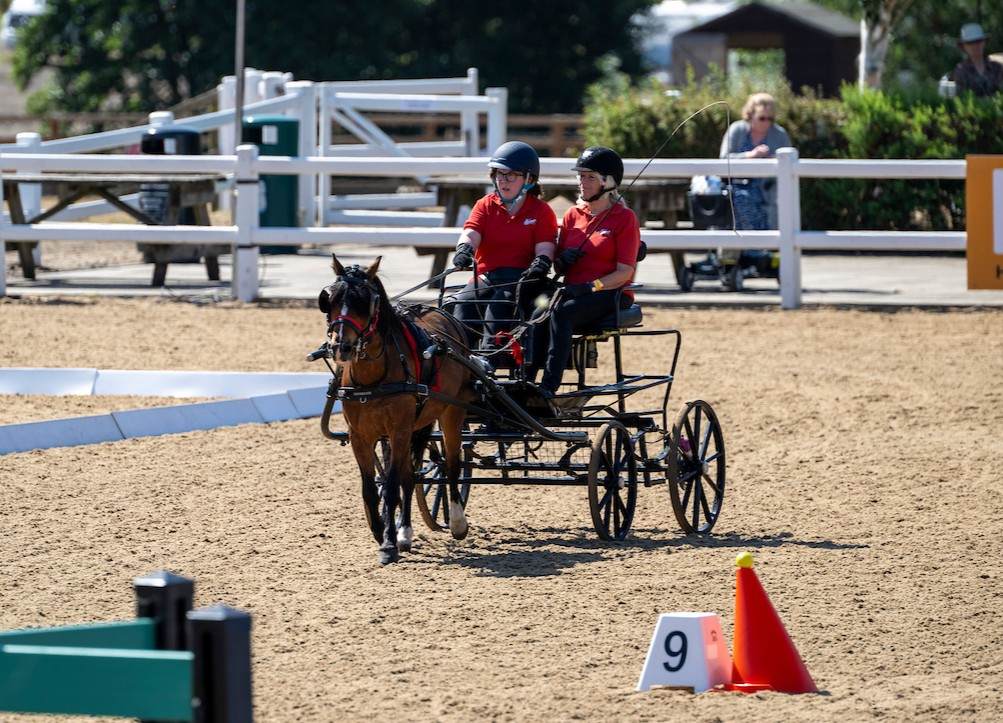
Get started: RDA encourages drivers to progress along development pathways – drivers can take proficiency tests to increase and demonstrate their ability and knowledge, and can take part in competitions.
British Carriagedriving offer plenty of opportuntiies to take part and progress as a para driver.
Find your nearest centre that offers disabled driving by using our Find a Riding Centre tool.
Para dressage
Para dressage is the only equestrian discipline contested at the Paralympic Games. In 2010 it was featured in the World Equestrian Games format for the first time, and the discipline now runs in a four-year cycle of championships with European Championships in the years between the World Championships and the Paralympic Games. Great Britain’s para dressage team is unbeaten at every Paralympic Games since the sport began.
Para dressage offers competitive dressage opportunities for riders with disabilities. Riders are classified within five disability grades to ensure riders are competing as fairly as possible against others of a similar disability. The grades range from Grade 1 for the most impaired riders through to Grade V for the least impaired riders. Our para-equestrian page has more details on rider classification.
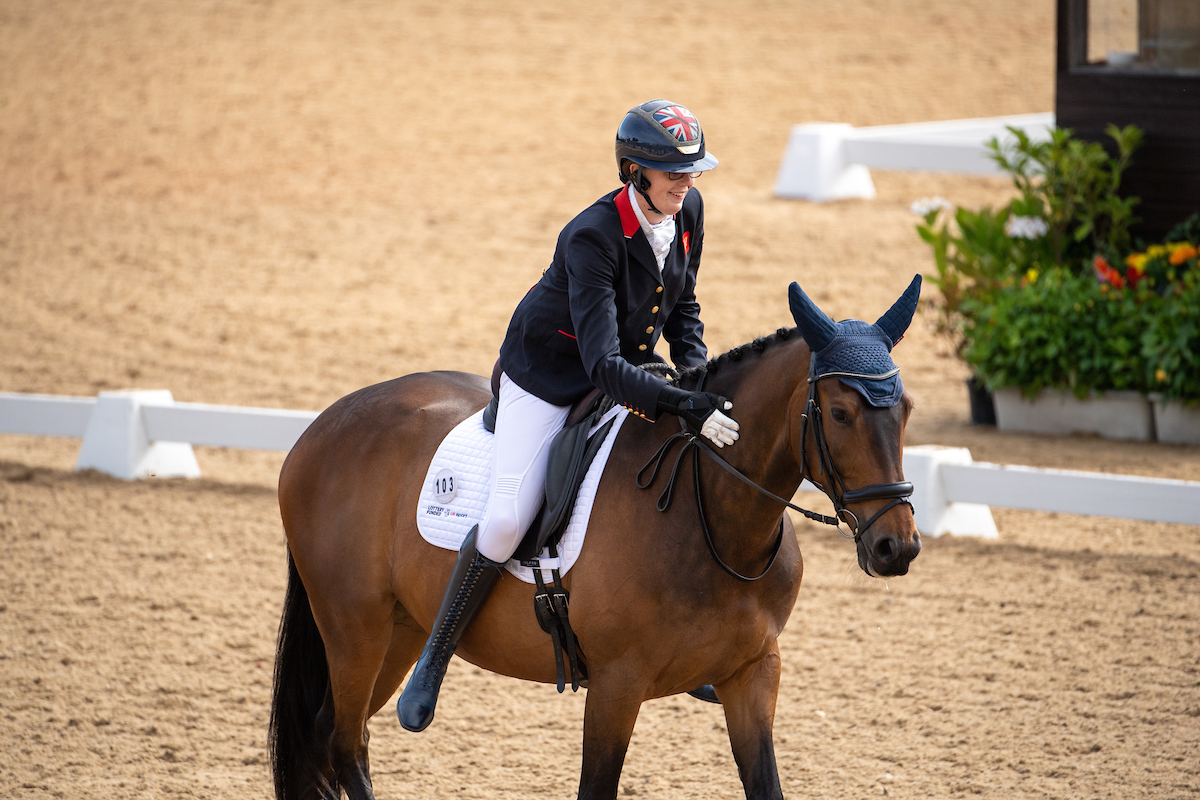
Get started: If you have a disability and want to try para dressage, the place to start is with RDA. You can find your local RDA group or centre by going to the Find a Riding Centre tool.
Riders can also move on from the RDA to compete in British Dressage para competitions and training opportunities. Para riders are also eligible to compete in some British Dressage able-bodied competitions, too.
Para showjumping
Para showjumping offers competitive jumping opportunities for riders with disabilities. We're very proud to work in conjunction with British Showjumping and Riding for the Disabled Association (RDA) to create a rider pathway for all para jumpers.
British Showjumping run the Para Jumping League (graded competitions) with venues and shows across the country. The league allows registered para riders to compete within specific graded jumping categories, with heights ranging between 60cm-90cm.
In addition, the National Para League means para and able-bodied riders compete together, drawing through national points gained through British Showjumping Bronze (85cm-1.10m) and Silver (1.10m-1.30m) Leagues as another way of recognising para jumping riders.
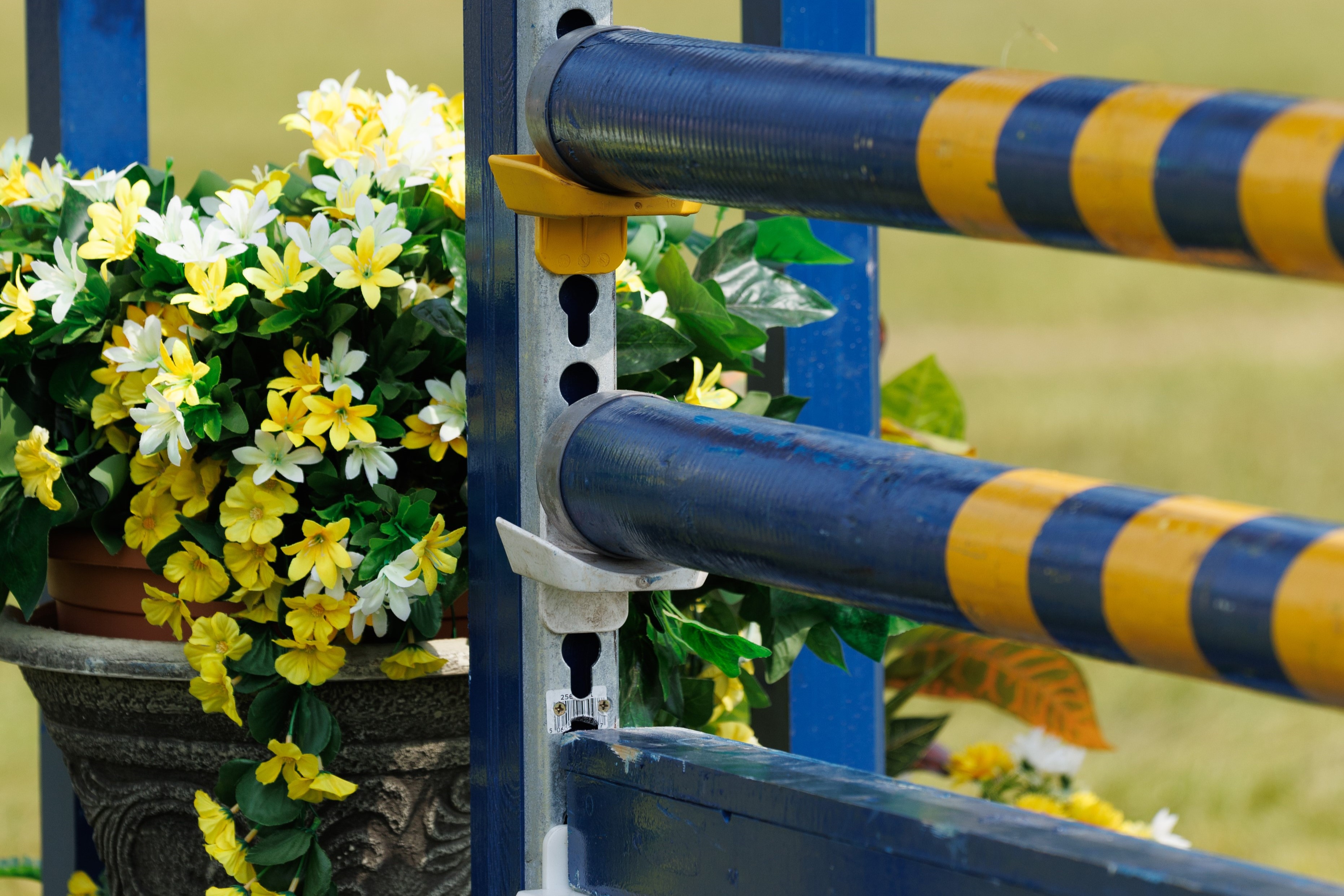
Get started: If you have a disability and want to try para jumping, the place to start is with RDA. You can find your local RDA group or centre by going to the Find a Riding Centre tool.
.jpg "Para classification")